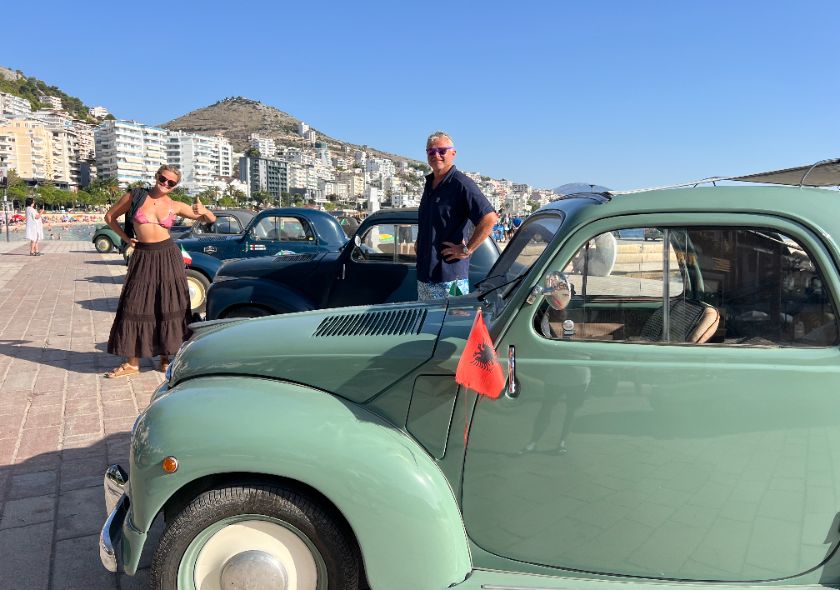
If you want to explore the Adriatic coast, Albania and Montenegro travel guide. A great travel option could be Donau’s neighboring Balkan countries that offer beautiful coastlines, historic cities, mountain scenery, traditional cuisine, and unique cultural experiences. Along the Albanian coast, travelers find dramatic cliffs, clear waters, traditional villages, and cozy coastal towns. In Montenegro, destinations like the Bay of Kotor, Budva, Perast, and Ulcinj add a distinct character to the Adriatic landscape.
Montenegro’s official tourism information also highlights its Adriatic coast as a collection of beaches, historic towns, boat trips, and water activities. The biggest advantage of combining the two countries in one trip is the variety. You can experience local culture and Mediterranean-style coastal life in Albania and then explore medieval towns, dramatic bays, and mountain-backed beaches in Montenegro.
Why unite Albania and Montenegro?
Albania and Montenegro are geographically close, so it can be practical to include both in a multi-day Balkan trip. Regional projects promoting cross-border tourism also present the cultural and natural attractions of Albania and Montenegro as connecting destinations. Albania’s coastal experience can feel relatively relaxed and diverse. The Albanian Riviera combines beaches with mountain roads, traditional villages, and historical attractions.
Montenegro’s coastline is compact but the scenery is dramatic. The mountains and historic towns of the Bay of Kotor, the beaches of Budva, and the multicultural character of Ulcinj add variety to the trip. If you like beaches, history, culture, food and scenic drives. If you want to combine them into one itinerary, this collection could be a strong choice.
10-day Albania and Montenegro Itinerary
Day 1: Arrive in Tirana
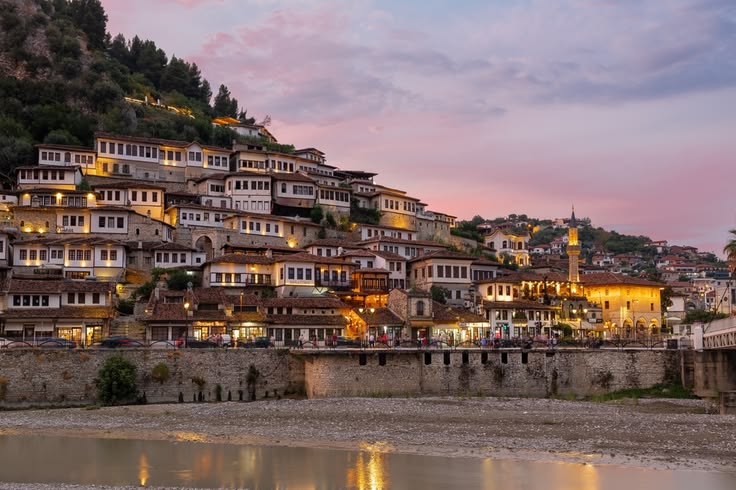
Your trip to the capital of Albania Anthem Start with After checking in to the hotel, relax a bit and explore the city center if you have the energy. Take a walk around Skanderbeg Square, enjoy a coffee at a local cafe and try a traditional Albanian dinner in the evening. It’s best to take it easy on the first day. This will help you feel refreshed before the long beach trip.
Key points
- Arrive in Tirana.
- Check-in at the hotel
- Skanderbeg Square
- Local cafe
- Traditional dinner
Day 2: Tirana to Shkodra
On Day 2, travel to northern Albania and Shkoder Explore. Shkodër is one of the main cultural cities in Albania. The city is home to historic streets, museums, local cafes, and traditional restaurants.
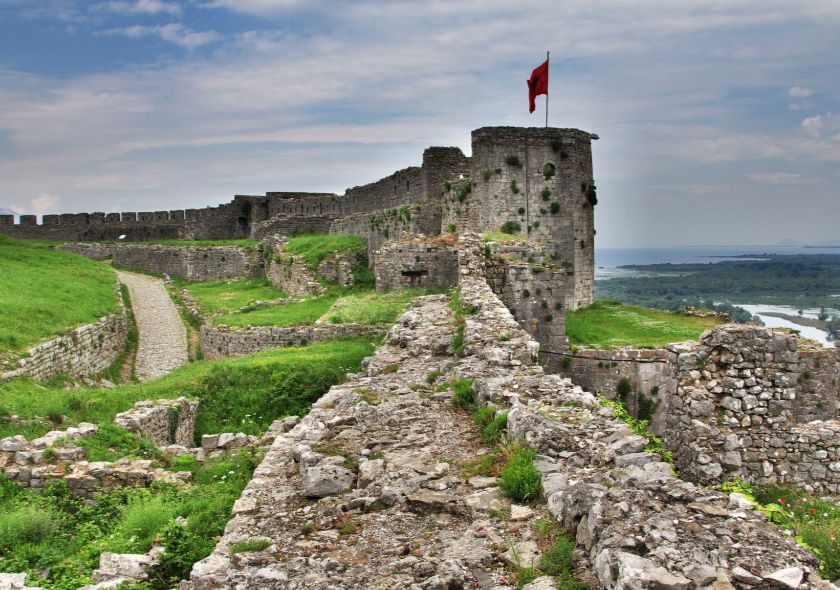
Rozafa CastleA visit to the castle can also be an important part of the itinerary. The castle’s elevated position provides views of the surrounding landscape and Lake Shkodër. If time permits, explore the areas near the lake and enjoy a relaxing meal in Shkodër in the evening.
Day 3: Lake Shkodra and border crossing
Use Day 3 to explore the surroundings of Lake Shkodër. You can plan a short hike, a scenic drive, or a lakeside lunch. Then continue to Montenegro. Check your passport, visa requirements, and travel documents before crossing the border. If using a rental car, it is important to confirm cross-border permits and insurance requirements with the rental company.
The current road trip guidance also lists cross-border permits and insurance documents as important planning tips for Albania-Montenegro rental travel. After entering Montenegro Ulcinj can be considered a destination overnight.
Day 4: Explore Ulcinj
Ulcinj is located on the southern coast of Montenegro and close to the Albanian border. The cultural atmosphere of this destination feels a bit different from other coastal cities in Montenegro.
Ulcinj Old Town: Explore the historic streets and take a leisurely walk. Then, head to the beach and enjoy the relaxed seaside atmosphere.
Famous for its sandy coastline, Ulcinj’s historic area offers an interesting blend of Mediterranean and Ottoman influences. If you enjoy water activities, swimming or kitesurfing may also be worth considering, depending on the weather and local conditions.
Day 5: Budva and the Adriatic Coast
Day 5 of the Montenegro coastline following the map Budva Travel to. Budva is one of Montenegro’s most popular coastal destinations. It offers a historic Old Town, beaches, restaurants, and a lively climate. Explore the cobblestone streets of the Old Town and enjoy close-up views of the city walls.
Relax on the beach in the afternoon or consider a short boat trip. According to the Tourist Organization of Montenegro, there are numerous beach and water activities available on the Budva Riviera. In the evening, try local seafood or traditional Montenegrin cuisine.
Day 6: Sweetie Stephen and Coastal Relaxation
My Day Saint Stephen And dedicate it to the surrounding coastal areas. Sveti Stefan’s distinctive island setting offers one of Montenegro’s most recognizable coastal views. Time can be spent on nearby beaches and viewpoints.
If you prefer relaxation over a busy excursion, take it slow this day. Spend a few hours on the beach, enjoy lunch, and admire the coastal scenery. Montenegro’s official tourism information includes the beaches of the Budva Riviera, including Sveti Stefan, Pržno and Bečići, among its main coastal attractions.
Day 7: Kotor – The Heritage Highlight
On day 7DirtyTravel too. Kotor is a travel destination that can hold important historical highlights. Its old town, stone buildings, narrow streets and the surrounding mountains make for a memorable journey on the Adriatic. Take a leisurely stroll through Kotor Old Town. Explore historic churches, squares, small shops and cafes.
If you’re feeling adventurous, consider hiking along the city walls. Otherwise, there are plenty of walks and cafe breaks in the lower areas. Montenegro’s tourism information highlights the Bay of Kotor as a combination of islands, historic towns, museums, churches and palaces.
Day 8: Prost and the Bay of Kotor
Explore the towns around the Bay of Kotor on Day 8. Perast is a peaceful historic town known for its waterfront location and traditional stone architecture. You might also consider taking a short boat trip. Popular starting points for Bay of Kotor boat trips in Montenegro include Kotor and Budva.
A boat trip can offer the opportunity to explore places such as Perast, Risan, Tivat, and Herceg Novi from the water. If you don’t want to take a boat trip, enjoying a waterfront walk and a leisurely lunch in Perast is also a great option.
Day 9: Herceg Novi and coastal culture
On day 9 Herceg Novi Continued to. Herceg Novi is located near the entrance to the Bay of Kotor and is an interesting place for its historic streets, stone steps and coastal views. Explore the Old Town and take a coffee break at a local cafe. You can also take a leisurely stroll along the waterfront.
Taking this day off is especially useful if you have visited several towns in the past few days. You can also explore the culinary side of Montenegro by trying local seafood, fresh vegetables, cheeses, and regional dishes.
Day 10: Return and Departure
You can plan your last day according to your departure point. If the flight is from Montenegro, enjoy a short walk and breakfast in Kotor, Tivat, or a nearby coastal area in the morning.
If you are departing from Albania, allow plenty of time for the return trip. Border traffic and road conditions can affect travel times, so it is wise to allow extra time for the airport. In your final hours, a local coffee, souvenir shopping, or a leisurely stroll along the beach can bring the trip to a peaceful end.
The Best Coastal Experiences on this Trip
- Albanian Riviera
The appeal of the Albanian coast is not limited to beaches. Coastal villages, mountain roads, local restaurants, and historical attractions can also be included in the itinerary. If you have extra days,Hamara, Dharmi, Borish, Saranda or Kasma. lIt is possible to add destinations such as.
- Bay of Kotor
The Bay of Kotor is one of Montenegro’s most distinctive landscapes. The combination of mountains and deep blue waters with historic settlements makes the area particularly photogenic.
- Budva Riviera
The Budva Riviera offers travelers a combination of beaches, restaurants, historic streets, and water activities. According to official tourism information, the area offers a wide range of beach and recreational activities.
- Ulcinj
Ulcinj is an interesting stop to explore the cultural links between Albania and Montenegro. The historic Old Town and long sandy beaches give this destination a distinct character.
Food to Try Along the Way
Both Albania and Montenegro are exciting destinations for food lovers. In Albania, you can try biryani, grilled meats, fresh seafood, local cheeses, salads, olive oil, and traditional desserts. In the coastal areas of Montenegro, fresh fish, seafood, grilled vegetables, local cheeses, and Mediterranean-inspired dishes are popular options. Choosing local restaurants and family-run eateries can give you a better chance of discovering regional food traditions.
Best Time for a Beach Trip to Albania and Montenegro
Late spring, summer, and early fall are generally popular periods for Adriatic travel. The beaches and popular cities can be busier in the summer. If you prefer warmer weather and a relatively relaxed atmosphere, consider the shoulder season.
According to the Montenegrin Tourism Organization, the beach swimming season can extend from May to October, although weather conditions vary from year to year. When choosing travel dates, consider beach weather, accommodation availability, and transportation conditions.
Practical Tips for Traveling
- Check border requirements: Please confirm current entry rules before traveling between Albania and Montenegro.
- Verify rental car rules: If using a rental car, verify cross-border permits and insurance documents with the company.
- Book your summer accommodation early: Popular coastal cities can be busy during peak season.
- Have extra travel time: The coastal roads are beautiful, but traffic and road conditions can make the journey long.
- Pick up comfortable shoes: Stone streets and staircases are common in historic towns.
- Keep the schedule flexible: Weather can affect boat trips and outdoor activities.
- Respect local culture: Respect local customs and traditions when visiting historical and religious sites.
Why this Adriatic Heritage Blend Works
The main advantage of combining Albania and Montenegro in one trip is the contrast. Albania can offer Riviera beaches, traditional villages, local cuisine, and a relaxed coastal atmosphere. Montenegro offers a different experience, with dramatic mountains, medieval towns, the Bay of Kotor, and stylish beach resorts.
The Do project, which aims to develop cross-border travel as a cultural route, also offers integrated travel experiences showcasing the heritage and natural attractions of Albania and Montenegro. This itinerary is not just a beach holiday. It gives you the opportunity to experience history, culture, nature, food, and beautiful Adriatic landscapes.
Conclusion
Albania and Montenegro Harmony: Adriatic Heritage Blend offers travelers the chance to experience the Balkans’ Adriatic coast in one memorable trip. This journey combines beautiful beaches, rich history, traditional cuisine, and stunning coastal landscapes. Starting in Tirana and Shkodër, travelers can explore northern Albania, enjoy the coastal atmosphere of Ulcinj and Budva in Montenegro, and then discover the historic sights of Kotor, Perast, and Herceg Novi.

The best part of this trip is that each destination has a distinct character. In some places, you’ll relax on the beach, explore historic streets, and enjoy dramatic views of mountains and the ocean. Coastal beauty, cultural heritage, traditional cuisine and natural landscapes. If you want to include both in your Balkan adventure, the Adriatic route through Albania and Montenegro can be a memorable travel experience.
FAQs
1. Can I visit Albania and Montenegro on the same trip?
Yes, the two countries are neighboring destinations and can be combined in a road-based itinerary. It is important to check current border and entry requirements before traveling.
2. How many days are enough for Albania and Montenegro?
A 7-10 day trip can cover the main coastal highlights. If you want a slower pace, exploring additional beaches and historic towns, 10-14 days might be better.
3. What are the best places to visit?
In Albania, Tirana, Shkoder and the Albanian Riviera are strong choices. In Montenegro, Ulcinj, Budva, Sveti Stefan, Kotor, Perast and Herceg Novi are popular options.
4. Is a road trip a good way to explore both countries?
Yes, road trips can provide flexibility, especially for coastal cities and scenic views. But confirm the required permits and insurance before crossing the border in a rental car.
5. Which country has the best beaches?
Both countries offer different beach experiences. The Albanian Riviera offers beautiful beaches and seaside villages, while Montenegro is known for its compact coastline, dramatic mountains, and historic coastal towns. Montenegro’s official tourism information also highlights its beaches and water activities as major attractions.
6. Is Kotor worth seeing?
Yes, Kotor is especially suitable for travelers interested in historic architecture, medieval streets, mountain scenery, and Adriatic culture.