
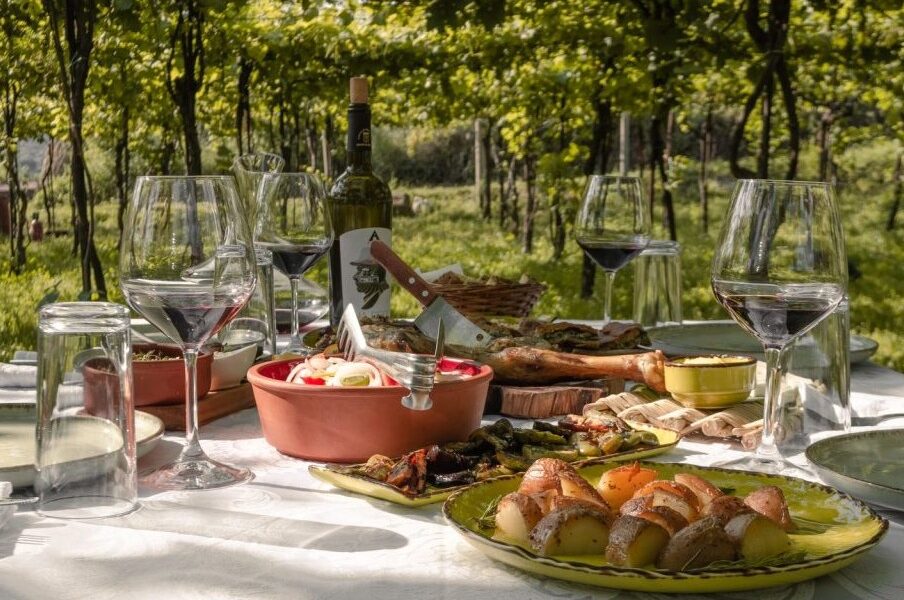
Albanian Wine and Raki: A Guide for Travelers
Albania is known for its beautiful beaches, dramatic mountains, historic towns, and traditional food. However, the country’s drink culture is another interesting part of the travel experience. Albanian wine and raki have strong connections with local traditions, agriculture, hospitality, and everyday meals. Albania has a long history of grape growing and wine production. Its varied landscapes and Mediterranean climate create conditions suitable for growing different grape varieties. Today, travelers can discover local wines at restaurants, wineries, vineyards, and food-focused tours.
Raki is another important part of Albanian culture. This traditional spirit is commonly made from grapes, although other fruits can also be used. It is often served during social gatherings and alongside food. If you are planning an Albania trip and enjoy culinary experiences, learning about local wine and raki can add another dimension to your journey.
Why Albanian Wine and Raki?
The country’s wine culture is closely connected to its agricultural traditions. Grapes have been cultivated in Albania for centuries, and different regions have developed their own approaches to grape growing and winemaking. Albanian wine can include both indigenous and international grape varieties. Local producers may create red, white, and rosé wines, depending on the grapes and production methods they use.
Raki has a different role. While wine is often associated with meals, raki is strongly connected with hospitality and social occasions. Visitors may be offered a small glass when meeting hosts or visiting traditional establishments. Both drinks provide travelers with an opportunity to explore Albania through its local agriculture and food culture.
Discover Albanian Wine Regions
Albania’s geography creates several different wine-producing areas. Coastal plains, valleys, hills, and inland regions offer different growing conditions. Central and southern parts of the country are particularly associated with wine production. Travelers can find wineries and vineyards near cities such as Berat and Tirana, as well as in other wine-producing areas.
A winery visit can include more than wine tasting. Depending on the property, visitors may learn about grape cultivation, production methods, storage, and local traditions. Before visiting a winery, check whether tours and tastings are available and whether reservations are required.
Try Kallmet Wine
Kallmet is one of Albania’s best-known indigenous grape varieties. It is traditionally associated with northern Albania, particularly the region around Shkodër. Kallmet is primarily used for red wine. The wines can have rich fruit characteristics and work well with hearty local foods.
Travelers interested in Albanian wine can look for Kallmet on restaurant wine lists or visit producers that specialize in this grape. Trying a local wine alongside traditional Albanian dishes can provide a better understanding of how food and wine traditions connect.
Explore Shesh Grape Varieties
Shesh is another important Albanian grape variety. It is commonly divided into Shesh i Zi and Shesh i Bardhë, referring broadly to red and white grape types. Shesh i Zi is associated with red wine production, while Shesh i Bardhë is used for white wines.
These varieties are particularly interesting for travelers who want to taste wines made from grapes that are closely connected to Albania rather than relying only on internationally familiar varieties. Ask local wineries about their Shesh wines and how they are produced.
Visit Vineyards Near Berat
Berat is one of Albania’s most attractive destinations for travelers interested in combining history, scenery, and food. The wider Berat region has agricultural traditions and vineyards, making it a useful destination for wine-focused travel.
After exploring the historic neighborhoods of Berat, you can look for nearby wineries or countryside properties offering local wine experiences. A vineyard visit can provide a peaceful break from sightseeing. Walking among the vines, learning about local grapes, and enjoying a tasting can make the day more varied.
Explore Wine Around Tirana
Tirana is Albania’s capital and an important starting point for international visitors. Its central location also makes it a convenient base for exploring nearby food and wine experiences. Restaurants and wine bars in the city may offer selections of Albanian wines from different regions.
This can be a simple way to begin exploring the country’s wine culture without immediately traveling to a vineyard. If you are staying in Tirana for several days, consider adding a winery or countryside visit to your itinerary.
Understand Traditional Albanian Raki
Raki is a traditional Albanian distilled spirit that has an important place in local hospitality. Grape-based raki is particularly common, although raki can also be produced from other fruits depending on the region and producer.
Unlike wine, raki is distilled, making it a much stronger drink. It is usually served in small glasses and consumed in modest quantities. Travelers should remember that raki can have a high alcohol content. If you choose to try it, drink responsibly and follow local hospitality customs.
How Raki Is Traditionally Made
Traditional raki production begins with fermented fruit, commonly grapes. The fermented material is then distilled to produce the spirit. The exact process can vary between producers and regions. Family traditions can influence the equipment, timing, ingredients, and final character of the drink.
In rural areas, some families have maintained their own traditional production methods for generations. Commercially produced raki may follow more controlled production processes, while homemade versions can vary considerably in strength and flavor. If you are offered homemade raki, it is reasonable to ask what fruit was used and where it was produced.
Grape Raki and Fruit-Based Varieties
Although grape raki is widely associated with Albanian traditions, other fruits can also be used. Depending on the region, travelers may encounter raki made from fruits such as plums or other locally available produce.
Fruit selection can influence the aroma and character of the final spirit. If you enjoy culinary exploration, trying different regional varieties can be interesting. However, alcohol strength can vary, so responsible consumption is important.
Raki and Albanian Hospitality
Raki is closely connected with hospitality in Albania. Hosts may offer a small glass to guests as a welcoming gesture. It can appear during family gatherings, celebrations, traditional meals, and social occasions.
For travelers, accepting a small serving can sometimes be part of experiencing local hospitality. However, you should never feel pressured to drink alcohol. If you do not drink, politely declining is perfectly acceptable.
Pairing Albanian Wine With Local Food
Wine can complement many traditional Albanian dishes. Red wines made from varieties such as Kallmet or Shesh i Zi can pair well with grilled meats, lamb, and other hearty dishes. White wines can work nicely with fresh seafood, vegetables, salads, and lighter meals.
Albanian food often includes fresh vegetables, cheese, olive oil, grilled meats, seafood, and traditional pastries. Trying local wine alongside these foods can make your culinary experience more complete. When visiting a restaurant, ask the staff which local wine they recommend with your meal.
Enjoy Wine at a Traditional Restaurant
You do not always need to visit a vineyard to explore Albanian wine. Traditional restaurants across the country may have locally produced wines on their menus. Some restaurants also offer regional specialties that pair naturally with local wines.
A relaxed lunch or dinner can therefore become a small wine-tasting experience. If the menu includes wines by the glass, this can be a convenient way to taste a local variety without ordering a full bottle.
Plan an Albanian Wine Tour
Travelers who are particularly interested in wine can create an itinerary around vineyards and wineries. A wine-focused day might include a vineyard visit, a winery tour, a tasting, and a traditional lunch.
You can also combine wine tourism with sightseeing. For example, a day around Berat can include historic attractions in the morning and a countryside wine experience later in the day. Always check winery opening hours and booking requirements before traveling, especially during the quieter seasons.
Wine Tourism and Rural Albania
Wine tourism can also introduce travelers to rural Albania. Vineyards are often located away from major city centers, allowing visitors to experience agricultural landscapes and quieter surroundings.
Some properties combine vineyards with restaurants, guesthouses, gardens, or traditional food experiences. This makes wine tourism suitable for travelers who want to slow down and explore a less crowded side of the country.
When Is the Best Time for Wine Experiences?
The best time for a wine-focused trip depends on what you want to experience. Late summer and early autumn can be particularly interesting because vineyards are approaching or entering harvest season in many regions.
Spring and early summer can also be pleasant for walking through vineyards and enjoying outdoor tastings, depending on local weather. If you specifically want to see grape harvesting or participate in a harvest-related activity, contact wineries in advance to learn about their seasonal schedules.
15. Tips for Travelers
A few simple tips can make your Albanian wine and raki experience more enjoyable.
- Start With Small Tastings: If you are unfamiliar with local drinks, begin with a small serving.
- Ask About Local Varieties: Winery staff can explain which grapes are native to the region.
- Pair Drinks With Food: Local wine can be more enjoyable when combined with traditional dishes.
- Book Winery Visits: Some smaller producers may operate by appointment.
- Drink Responsibly: Raki can be strong, so moderation is especially important.
- Avoid Driving After Drinking: Arrange transportation in advance if you plan to taste alcoholic drinks.
- Respect Local Customs: Hospitality traditions vary, but you can always politely decline alcohol if you do not drink.
What Should You Buy as a Souvenir?
Wine can be a meaningful souvenir for travelers who enjoy local products. Many wineries offer bottles that represent regional grape varieties or local production styles. Raki is another traditional product that visitors may encounter in markets and specialty shops.
If you plan to take alcoholic beverages home, check the customs and airline regulations that apply to your destination before purchasing. Buying directly from a reputable producer can also provide an opportunity to learn more about the product and its origin.
Why Explore Albanian Wine and Raki?
Food and drink can provide a deeper understanding of a destination. Albanian wine and raki connect travelers with local agriculture, traditional production, hospitality, and regional cuisine. Instead of simply visiting tourist attractions, you can spend time at a vineyard, meet local producers, taste indigenous grapes, and enjoy traditional food.
Raki offers another perspective on Albanian hospitality, particularly in rural communities and family settings. Together, these experiences can make an Albania trip more personal and culturally interesting.
Conclusion
Albanian wine and raki are important parts of the country’s culinary and hospitality traditions. From indigenous grape varieties such as Kallmet and Shesh to traditional grape-based raki, local drinks offer travelers another way to discover Albania. A wine tasting in a vineyard, a glass of local wine with dinner, or a small serving of raki during a traditional meal can become a memorable part of your trip.
If you enjoy culinary travel, consider adding a winery, vineyard, traditional restaurant, or local food experience to your Albania itinerary. Explore responsibly, ask questions, and enjoy the opportunity to discover the country’s regional flavors at a relaxed pace.
FAQs
1. What wine is Albania known for?
Albania is known for indigenous grape varieties such as Kallmet and Shesh, which are used to produce local red and white wines.
2. What is raki in Albania?
Raki is a traditional distilled alcoholic spirit. It is commonly made from grapes, although other fruits can also be used.
3. Is Albanian raki strong?
Yes. Raki is a distilled spirit and can have a relatively high alcohol content. Travelers should consume it responsibly and in moderation.
4. Where can I try Albanian wine?
You can try Albanian wine at restaurants, wine bars, wineries, and vineyards. Berat, Tirana, Shkodër, and other wine-producing areas can be useful destinations for wine experiences.
5. What Albanian food pairs well with wine?
Local wine can be enjoyed with grilled meats, lamb, seafood, fresh vegetables, cheese, and other traditional Albanian dishes. The best pairing depends on the specific wine and meal.
6. Can tourists visit Albanian vineyards?
Many wineries and vineyards welcome visitors, but availability varies. It is best to check opening times and make a reservation before visiting.
7. When is the best time to visit Albanian vineyards?
Late summer and early autumn can be particularly interesting for travelers who want to experience vineyards around harvest time. Spring and early summer can also be pleasant for outdoor vineyard visits.
All Categories
Recent Posts

The Architecture of Paranoia and Dark Tourism
Best Farm-to-Table Dining in Albania’s Countryside

A Deep Dive into Albanian Hospitality: What Is “Besa”?
Tags