
Top Balkan Food Tours: A Complete Culinary Guide
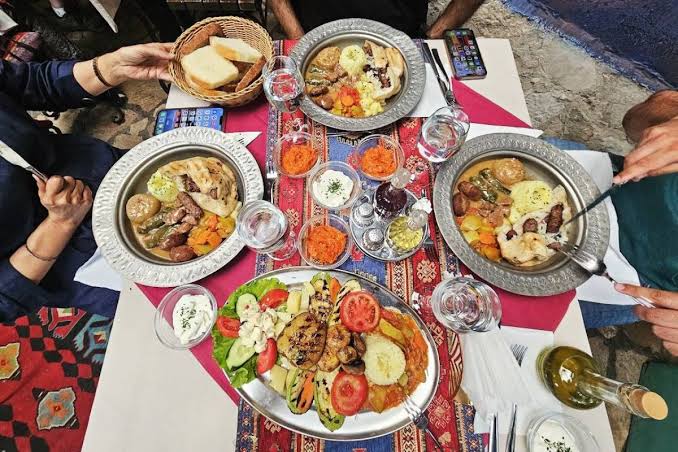
If you want to explore local food while travelling, Culinary and Gastronomic Tours in the Balkans could be an interesting travel experience for you. The Balkans are a diverse region in Southeastern Europe, where each country has its own food traditions, ingredients, and cooking styles. From the fresh seafood and traditional pies of Albania to the grilled dishes of Bosnia and Herzegovina, the coastal flavours of Montenegro, the hearty cuisine of Serbia, and the pepper-based dishes of North Macedonia, the region has a lot to offer food lovers.
Balkan cuisine reflects the influence of Mediterranean, Ottoman, Central European, and local culinary traditions. While some dishes are similar across neighbouring countries, their preparation methods and flavours can vary from one region to another.
What makes Balkan Gastronomy Special?
Balkan food culture is not just a list of dishes. Food is an important part of the local lifestyle, family traditions, and hospitality. Fresh vegetables, herbs, cheeses, bread, grilled meats, seafood, and seasonal ingredients are the basis of many traditional dishes. Geography also influences cuisine.
Seafood and olive oil are prominent near the Adriatic and Ionian coasts, while hearty meat dishes, dairy products, and slow-cooked meals may be more common in mountainous and inland areas. One advantage of culinary travel is that travelers not only see famous attractions but also get the opportunity to understand local culture through food.
Discover Albania Through Food
Albania can be a great starting point for a food tour. The country boasts a blend of Mediterranean and Balkan flavors.
Traditional Albanian dishes
- Pie: A popular dish made of layers of thin pastry. It can be filled with cheese, spinach, meat, or vegetables.
- Yogurt casserole: A traditional dish made with lamb and yogurt. The baking process gives it a rich and comforting flavor.
- Delivery: It can be prepared with a combination of vegetables, peppers, tomatoes, and cheese. Its flavor is rich and satisfying.
Fresh fish and seafood are also worth trying in coastal Albania. Seafood-based meals can be a memorable part of your travel experience in the coastal areas of Sarandë, Himare, and the Albanian Riviera.
Albanian Food Tour Experience
A culinary tour in Albania can be combined with visits to local markets, traditional restaurants, and family-run eateries. Exploring local cuisine in historic areas like Berat and Gjirokastër can make the trip even more meaningful.
Explore Bosnia and Herzegovina
Bosnia and Herzegovina is known for its hearty and comforting Balkan cuisine. The country’s cuisine combines Ottoman and Central European influences with strong local traditions.
- Must try Bosnian Foods.
- Kebab: Small grilled meat portions that are usually served on a tarte with traditional bread.
- Boric: Flaky pastry with meat filling is a popular choice. Traditional names are also used for different fillings in Bosnia.
- Filling: It can be found in the form of stuffed vegetables or leaves, while soups and slow-cooked dishes are also part of the local food culture.
Taking a food tour in Sarajevo and exploring traditional restaurants, bakeries, and cafes can be a delightful experience.
- Bosnian Coffee Culture
It is also interesting to combine a food tour with a traditional Bosnian coffee experience. Coffee culture is an important part of local social life and travelers have the opportunity to enjoy a relaxed atmosphere after a meal.
Taste the Coastal and Mountain Flavors of Montenegro
Montenegro is a small country, but its geography creates a diversity of cuisine. Fresh seafood and Mediterranean ingredients are found on the Adriatic coast, while hearty meats, cheeses, and traditional dishes are popular in the mountainous regions.
- Coastal seafood
Fresh fish and seafood can be enjoyed in the Bay of Kotor and other coastal areas. Simple grilled fish, seasonal vegetables, and olive oil-based preparations are a natural part of coastal gastronomy.
- Mountain food
Traditional cuisine in northern Montenegro can be more appealing. Dishes made with local cheeses, smoked meats, and cornmeal represent the region’s mountain culinary traditions.
Thus, a culinary tour of Montenegro gives you the opportunity to experience the flavors of both the coast and the mountains.
Experience the Regional Cuisine of Croatia
Croatian cuisine varies significantly by region. Seafood, olive oil, and herbs are important on the Adriatic coast, while meat and Central European-style dishes are more common in inland regions. Coastal Croatian cuisine is especially popular along the Dalmatian coast, where you can try grilled fish, fresh seafood, and olive oil-based dishes. Fresh ingredients and simple preparation methods highlight the region’s strong Mediterranean influence.
Stria is a particularly interesting destination for food lovers, as the region is known for its seasonal ingredients, olive oil, truffles, seafood, and handmade pasta. If you’re planning a food-focused trip, including local markets, farms, olive oil producers, and traditional restaurants in your itinerary can make your dining experience more enjoyable and memorable.
Enjoy the Delicious Serbian Cuisine
Serbian food culture is known for grilled meats, hearty dishes, and traditional family meals. A culinary journey can be an exciting experience, exploring local grill restaurants and traditional foods.
Serbian Grilled Specialties
- Burger: A grilled dish made from cooked meat. It can be served with bread and a variety of side dishes.
- Kebab: They are also popular in Serbia, but the preparation and size may vary depending on the region or restaurant.
- Sarma: A traditional dish of slow-cooked filling wrapped in cabbage leaves. It can be a comfort food, especially in the colder months.
It is also useful to combine a food tour in Serbia with visits to local markets and traditional cafes.
Discover the Unique Flavors of North Macedonia
North Macedonia is an interesting place in Balkan gastronomy for peppers, beans, vegetables and slow-cooked dishes.
- Tavče Gravče
Tavče Gravče is a traditional bean dish that is usually prepared in a clay pot. Slow cooking gives the beans a rich flavor and soft texture.
- wages
wagesA popular spread made from roasted red peppers. It can be enjoyed with bread, grilled meats, or other dishes.
- Ohrid Food Experience
Exploring local restaurants in Ohrid’s lakeside setting can be a great way to combine both food and scenery.
Discover Common Balkan Dishes
Some dishes in the Balkan countries are found across borders. But that doesn’t mean that the dishes are exactly the same in every country. Food items such as boreki, ciuppi, sarma, grilled meats, and baklava can be prepared in different ways in different countries.
Ingredients, form, seasoning, and cooking techniques vary according to local traditions. This regional variation is interesting for culinary tourists. By trying a familiar dish in different countries, you can compare the taste and preparation.
Visit Local Markets
Local markets can be an important part of a culinary tour. Markets are a great place to find fresh fruits, vegetables, cheeses, breads, herbs, and seasonal produce. Market tours give you the opportunity to understand local ingredients. You can see how ingredients used in local kitchens are sold. If a local guide is available, asking questions about regional products during a market tour can make the experience even more rewarding.
Indulge in a Family-style Dining Experience
Family-run eateries and local dining experiences can bring travelers closer to traditional cooking. The recipes and preparation methods of such dishes can reflect traditions passed down through generations.
A simple home-cooked meal can sometimes be more memorable than an expensive restaurant. Such experiences offer insight into local hospitality and daily lifestyles, not just the food.
Discover Balkan Desserts
A culinary trip to the Balkans is incomplete without dessert.Baklava.Sweet pastries are widely popular in the region, while pancakes, cream desserts, and syrup-based sweets are also found in different countries. You can try traditional desserts at local bakeries and cafes. Enjoying dessert with coffee for an afternoon break is an easy option.
Best time for a Balkan Food Tour
Spring and fall can be relaxing periods for culinary travel. The weather from April to June and September to October can be ideal for outdoor exploration, and seasonal produce can also be an important part of your dining experience.
Coastal areas can be busy in the summer, especially at popular destinations. If you prefer a relaxed dining experience, it may be worth considering the shoulder season. Winter also holds its charm, especially if you want to explore hearty soups, stews, and slow-cooked dishes.
Guided vs. Independent Culinary Tours
You can enjoy a Balkan food tour both guided or independent.
- Guided food tour
Guided tours can be useful for travelers who want detailed information about local dishes, ingredients, and food history. Guides can also help identify hidden food spots and local specialties.
- Independent food journey
Independent travelers can choose restaurants, markets, and cafes at their own pace. This option provides more flexibility.
If you are visiting more than one Balkan country, a combined approach can also be useful. You can opt for guided food walks in some cities and independent food experiences in others.
Practical tips for traveling to the Balkans
- Try local dishes: Try ordering regional specialties instead of international dishes.
- Share small portions: Sharing can be a useful option for tasting multiple dishes.
- Choose seasonal food: Seasonal ingredients help you experience fresh local flavors.
- Clearly state nutritional requirements: If you have a food allergy or dietary restriction, clearly inform the restaurant staff before placing an order.
- Observe busy restaurants: Busy restaurants with local customers can sometimes help identify popular regional dishes.
- Take cash: Payment options may vary in small cafes and local markets, so check local payment methods before traveling.
- Respect local customs: Respecting the privacy and customs of local people in food photography or family-style experiences.
Why Choose a Culinary Tour in the Balkans?
Balkan culinary tours offer travelers a unique opportunity to explore the region. You are not limited to just one country’s famous dishes, but can also compare the flavors and traditions of neighboring countries. In Albania, the journey can begin with seafood and traditional pies.
Grilled meats and pastries can be found in Bosnia. Montenegro offers a contrast of coast and mountains, while Croatia offers a mix of Mediterranean and inland flavors. Serbia is interesting for hearty grilled dishes, and North Macedonia for peppers, beans and traditional baked goods. Traveling through food gives you a better understanding of local culture and regional differences.
Conclusion
Culinary and gastronomic tours in the Balkans can be a memorable travel experience for food lovers. The cuisine of the region combines Mediterranean, Ottoman, Central European and local traditions to create a diverse range of flavours. From Albania’s bierek and seafood to Bosnia’s ćevapi, Montenegro’s coastal dishes, Croatia’s Mediterranean flavours, Serbia’s grilled specialities and North Macedonia’s tavče gravče, each destination offers its own culinary identity.
If you’re planning a food-focused trip to the Balkans, consider visiting local restaurants, including markets, bakeries, family-run eateries, and traditional cafes. Slow down, try local dishes, and discover the flavors of different regions. Exploring the Balkans through food isn’t just about tasting the food. It’s also a meaningful way to understand local traditions, ingredients, hospitality, and culture.
FAQs
1. What are culinary and gastronomic tours in the Balkans?
Culinary and gastronomic tours are food-focused travel experiences where travelers explore local cuisine, markets, traditional restaurants, cooking methods, and regional food culture.
2. Which Balkan country is best for foodies?
The answer depends on personal preference. Albania for seafood and Mediterranean-style dishes, Bosnia for grilled foods and pastries, Croatia for coastal cuisine, and Serbia for grilled meats are all interesting options.
3. What food should I try on a Balkan food tour?
Byrek, burek, ćevapi, tavë kosi, fërgesë, ajvar, tavče gravče, grilled seafood, and regional desserts are popular options. Preparations may vary by country and region.
4. When is the best time for a Balkan food tour?
Spring and fall can be generally relaxing periods. April-June and September-October can be good options for outdoor dining experiences and exploring seasonal ingredients.
5. Are Balkan food tours suitable for vegetarians?
Yes, many places in the Balkans offer vegetarian dishes, fresh salads, cheeses, beans, pastries, or other meat-free options. However, it is best to verify ingredients and preparation with the restaurant.
6. Should I choose a guided or independent food tour?
A guided tour can be useful if you want to delve deeper into local history and food traditions. Independent travel offers more flexibility. You can also combine the two methods.
7. Can I combine food tours with sightseeing?
Absolutely. Culinary travel can be combined with historic cities, beaches, mountains, and cultural attractions. This approach allows you to experience both food and local culture in one trip.
All Categories
Recent Posts

The Architecture of Paranoia and Dark Tourism
Best Farm-to-Table Dining in Albania’s Countryside

A Deep Dive into Albanian Hospitality: What Is “Besa”?
Tags