
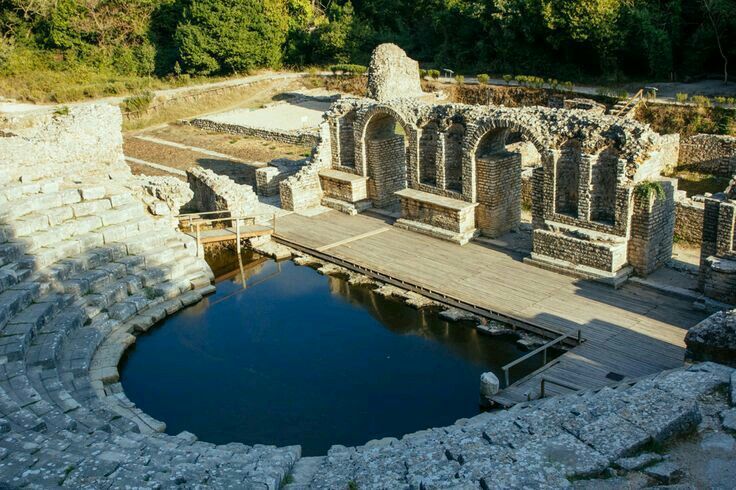
Albania is an interesting tourist destination in the Balkans due to its natural beauty, ancient history, and cultural heritage. The country is home to several important historical and cultural sites that are included in the UNESCO World Heritage List. These sites offer travelers the opportunity to understand Albania’s ancient civilizations, traditional architecture, and unique landscapes.
If you are planning a trip to Albania, it may be useful to include UNESCO World Heritage Sites in your itinerary. Butrint, Gjirokaster, and Sonojna are among the most famous heritage sites in Albania. Sites representing natural and cultural heritage are also important.
Butranit
Butrint is one of the most famous archaeological UNESCO World Heritage sites in Albania. It is located near the Ionian Sea in southern Albania and represents a long history of ancient civilizations. Archaeological remains from the Greek, Roman, Byzantine, and later periods can be found in Butrint. Visitors can see the ancient theatre, city walls, basilicas, and other historical structures.

The site’s natural setting also makes the experience special. The archaeological ruins, combined with the greenery and surrounding scenery, make Butrint an exciting destination for travelers who enjoy both history and nature.
Historic Centres of Berat and Gjirokastër
The historic centre of Berat and the historic centre of Gjirokastër are significant examples of the rich architectural and cultural heritage of Albania. Both cities boast historic neighborhoods, cobblestone streets and old houses. The beautiful hillside houses make Berat the “City of a Thousand Windows”. The unique atmosphere in the city is created by the impressive Berat Castle, the narrow streets and historic buildings. The castle area offers views of the city and the surrounding landscape, which can be enjoyed by visitors.
Gjirokastër is renowned for its traditional stone architecture and its narrow streets. It has a historic centre with stunning Ottoman architecture and the magnificent Gjirokastër castle. The castle provides an opportunity to get to know the history of the region. The visit to both cities is an excellent opportunity to learn about the history, architecture, and traditions of Albania. They have preserved their character well, and are significant cultural sites in the Balkans.
Gyrocaster
Gjirokastër is an ancient city in the south of Albania. Its old town is renowned for its traditional stone architecture and old historic buildings. Its narrow cobblestone streets, stone-roofed houses and beautiful Ottoman architecture are worth seeing. The city of Gjirokastër is unique due to these characteristics.
The city’s major attraction is the Gjirokastër Castle. It overlooks the town and has spectacular views of its surroundings. For those with an interest in history, architecture and the local culture, visitors can enjoy exploring Gjirokastër. This historic city, when put into an Albania tour, could offer insightful details about Albania’s cultural heritage.
Berat
Berat is a historic city in central-southern Albania. It is known for its traditional houses and rich cultural heritage. The city is built on a hill and developed near both banks of the Osum River. Its beautiful setting adds to its historic charm.
Key points to explore in Berat:
- Berat Castle: A major historical attraction with beautiful views.
- Historic Churches: Several old churches can be explored around the castle area.
- Traditional Houses: The hillside houses are a key feature of Berat.
- Narrow Streets: The old streets are ideal for walking and exploring.
- Old Town: Visitors can enjoy local architecture and everyday Albanian culture.
Berat’s Old Town is easy to explore on foot. It offers travelers a chance to experience Albania’s history, architecture, and local traditions.
Natural and Cultural Heritage
Albania’s heritage is not limited to historic buildings and archaeological ruins. The country’s landscapes, traditional settlements, and cultural practices are also an important part of its identity. Mountainous areas, rivers, forests, and coastal landscapes highlight Albania’s natural diversity.
Traditional houses, local food, and community traditions in rural areas are also part of cultural heritage. If you are visiting UNESCO World sites, allowing extra time to explore the surrounding areas can make your trip more meaningful.
Why Visit Albania’s UNESCO Sites?
A visit to Albania’s UNESCO World Heritage Sites offers travelers the opportunity to understand the country’s history on a deeper level. Each site has its own historical background, architecture, and cultural significance.
Butrint showcases the remains of ancient civilizations, while Berat and Gjirokastër represent traditional Albanian architecture and historic urban life. Visiting these places is not just about sightseeing. You can try local cuisine, walk through traditional neighborhoods, and learn about local history.
Tips for Visiting UNESCO Sites in Albania
Basic planning is helpful before visiting UNESCO World Heritage Sites. Check travel weather, transportation, and opening times in advance. Bring comfortable shoes, especially if you plan to explore old towns, castles, or archaeological sites. Some historic areas may have uneven streets and walkways. If possible, it may be more comfortable to visit early in the morning or during less busy times. Hiring a local guide is also a useful option, especially if you want to better understand the historical details and cultural background.
Key points:
- Please check the site information first.
- Karen wears comfortable shoes for walking.
- Add travel time to the itinerary.
- Consider local guides.
- Do not damage historic buildings.
- Follow local laws and safety guidelines.
- If there are photography restrictions, respect them.
Conclusion
Albania’s key UNESCO World Heritage Sites represent the country’s rich history, architecture, and cultural identity. From the ancient ruins of Butrint to the historic neighborhoods of Berat and Gjirokastër, each destination offers travelers a different experience.
If you’re planning a trip to Albania, adding these cultural UNESCO World sites to your itinerary can be a great way to better understand the country. With proper planning, comfortable transportation, and plenty of exploration time, you can explore Albania’s historical treasures in a memorable way.
FAQs
How many UNESCO World Heritage Sites are there in Albania?
Albania has a number of cultural and natural heritage properties on the UNESCO World Heritage List. It is best to check UNESCO’s official listing before traveling, as the lists and boundaries may be updated.
What is the most famous UNESCO site in Albania?
Butrint is one of the most famous UNESCO heritage sites in Albania. It is known for its ancient archaeological remains and beautiful natural surroundings.
Is Barat a UNESCO World Heritage Site?
Yes, the historic center of Berat is a UNESCO World Heritage Site. The city is famous for its traditional architecture, historic neighborhoods, and Berat Castle.
Is Gjirokaster worth visiting?
Absolutely. Gjirokastër is one of Albania’s main cultural sites with its stone houses, historic streets, and castles.
What should I wear when visiting Albanian cultural sites?
Comfortable clothes and walking shoes are recommended, especially for old towns and archaeological sites where there may be uneven streets or walking paths.
Can I visit multiple UNESCO sites in one trip?
Yes, Albania is a relatively compact country, so with a proper itinerary, more than one historical site can be included in one trip. Consider travel distances and road conditions when planning.