
The Albanian language and culture are important parts of the rich history of the Balkans. Albania has been influenced by different civilizations, empires, and neighboring cultures over the centuries. Despite these influences, Albanian people have preserved their unique language, traditions, and cultural identity.
The Albanian language is an independent branch of the Indo-European language family. Its exact ancient origins are still debated among scholars. Albanian culture includes traditional music, folk dance, local cuisine, clothing, family values, and hospitality. Today, Albania combines its ancient traditions with a modern lifestyle.
Origins of the Albanian Language
The origins of the Albanian language are a complex historical topic. Linguists generally consider Albanian an independent branch of the Indo-European language family. This family also includes English, German, Greek, and many other languages. However, Albanian has developed its own distinct structure and vocabulary. The Albanian language has two main dialect groups: Gheg and Tosk. Gheg is traditionally spoken mainly in northern Albania and nearby areas. Tosk is common in southern Albania and nearby regions. These dialects differ in pronunciation, vocabulary, and grammar. Modern Standard Albanian is largely based on the Tosk dialect. It is widely used in education, administration, media, and national communication.
Ancient Influences on Albanian Culture
Albania and the wider Balkan region have been home to many communities and civilizations since ancient times. Discussions of Albanian history often mention the ancient Illyrians. However, the exact relationship between the Illyrian language and modern Albanian remains debated among scholars. The Roman Empire also ruled the region for several centuries. Roman rule influenced roads, towns, administration, trade, and local communities.
Some cultural and linguistic influences from this period can still be seen across the Balkans. Later, Byzantine influence also shaped Albania’s cultural development. Religious traditions, architecture, and local communities were influenced by this period.
The Development of Written Albanian
The written history of the Albanian language is documented from a relatively later period. Early Albanian texts provide valuable evidence of the language’s development. One of the most famous early examples is the Baptismal Formula, written in 1462. This short text is an important historical record of the Albanian language. Over time, Albanian writers and scholars helped develop and standardize the language. Albanian literacy gradually expanded through books, newspapers, and educational publications.
Key developments in written Albanian include:
- 1462: The Baptismal Formula became an important early written example.
- Early texts: They provide valuable evidence of Albanian language development.
- Albanian writers: Writers and scholars helped develop and standardize the language.
- Growing literacy: Books, newspapers, and educational publications helped spread written Albanian.
- Modern use: Standard Albanian is now widely used in education, media, and administration.
Albanian Language and National Identity
Language has been a central part of Albanian cultural identity. Despite different historical periods and foreign influences, the Albanian language has played an important role in expressing national identity. During the Albanian National Awakening, also known as the National Renaissance, language and education gained special importance in the 19th century. Writers, teachers, and intellectuals promoted Albanian-language literature and education, helping to strengthen cultural awareness and national identity. This movement contributed to strengthening cultural awareness. The preservation and development of the Albanian language became an important symbol of national identity.
The Albanian Alphabet
The history of the Albanian alphabet is also closely related to cultural development. Different writing systems were used to represent the Albanian language in different periods. In 1908, the Congress of Manastir made significant progress toward standardizing the Albanian Latin-based alphabet.
This event is considered an important milestone in the history of the Albanian language. Today, modern Albanian uses the Latin alphabet and has 36 letters. The standardized alphabet helped facilitate written communication between speakers of different regions.
Traditional Albanian Culture
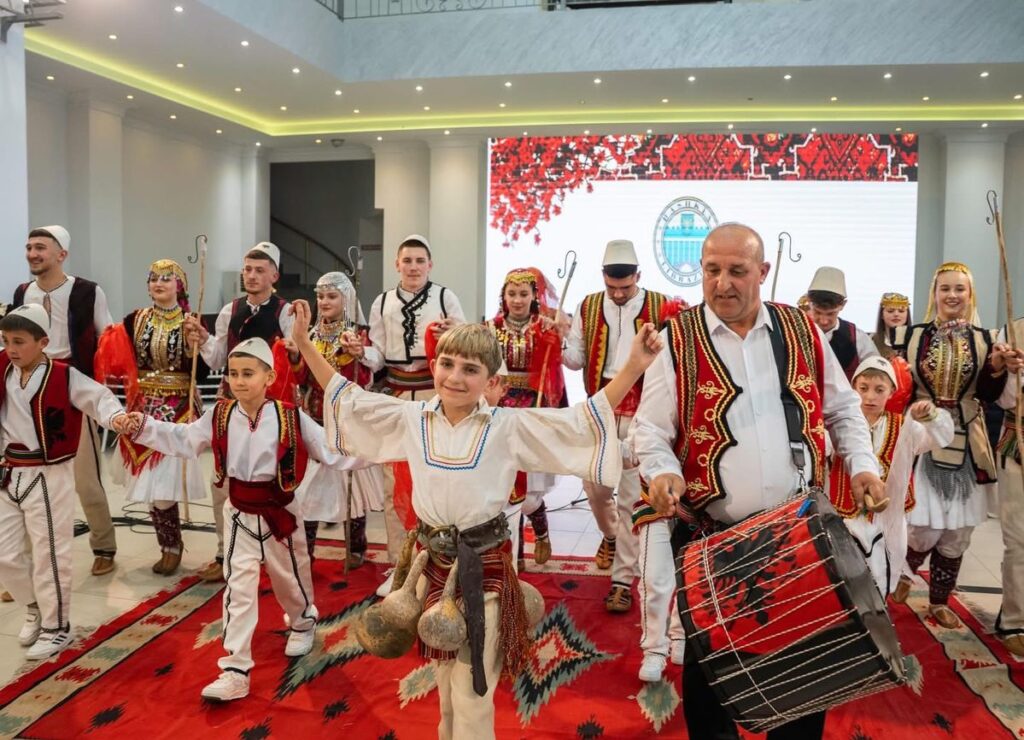
Albanian culture is not limited to the Serbian language. Traditional music, dance, clothing, food, and ceremonies are important parts of the cultural identity. Albanian folk music has different styles in different regions. Traditional musical forms developed in northern Albania, and different singing traditions developed in the southern regions.
Folk dances are also an important part of cultural celebrations. The designs and patterns of traditional clothing may vary by region. Traditional music and dance are still performed at weddings, festivals, and family gatherings.
Albanian Hospitality and Family Traditions
Hospitality is one of the well-known characteristics of Albanian culture. Treating guests with respect and warmth has been an important part of traditional social values. Family also plays an important role in traditional Albanian society. Family gatherings, celebrations, and shared meals strengthen social bonds.
Traditional food culture also reflects regional identity. Albanian cuisine includes fresh vegetables, meat, dairy products, bread, and various examples of Mediterranean influences. Seafood is also popular in coastal areas, while various traditional dishes are common in mountainous areas.
Cultural Influences from Different Empires
Due to Albania’s geographical location, the region has experienced the influence of various empires and civilizations. The Roman, Byzantine, Venetian, and Ottoman periods have left equally diverse influences on architecture, cuisine, vocabulary, religion, and social traditions.
The influence of the Ottoman period can be seen, especially in the food, architecture, and vocabulary. In some cities in Albania, historic buildings and old bazaars represent the heritage of this era. But despite foreign influences, Albanian communities also preserved their local traditions. This combination has made modern Albanian culture diverse and distinctive.
Albanian Culture in Modern Times
Today, Albania combines traditional heritage with a modern European lifestyle. In cities like Tirana, historic sites can be seen alongside modern architecture, restaurants, cafes, and contemporary art. Younger generations continue to preserve the Albanian language and cultural traditions in modern forms. Music, film, literature, and social media have created new opportunities for cultural expression. Tourism has also played a role in introducing Albanian culture to international visitors. Travelers can experience Albanian heritage through local cuisine, traditional festivals, historic towns, and folk traditions.

Why Albanian Language and Culture Matter
The Albanian language and culture are important for understanding the diversity of the Balkans. The unique status of the language and the long historical development of the culture make Albania a distinctive part of the region.
Understanding Albanian heritage can help travelers appreciate historical sites and local traditions in a deeper context. Language, music, food, and family traditions are all part of Albania’s cultural identity.
- Unique Language: Albanian is an independent branch of the Indo-European language family.
- Rich Heritage: Albania has preserved many traditions through generations.
- Local Traditions: Music, food, clothing, and folk customs reflect Albanian culture.
- Family Values: Family plays an important role in Albanian social life.
- Travel Experience: Learning about local culture can help visitors better understand historical sites and traditions.
- Balkan Diversity: Albanian heritage adds to the cultural diversity of the wider Balkan region.
Conclusion
The origins of the Albanian language and culture are deeply connected to the complex history of the Balkans. The Albanian language is an independent branch of the Indo-European language family and has developed its own unique identity over the centuries. The Gheg and Tosk dialects, written literature, and the modern standard language are important parts of this development.
Albanian culture reflects ancient regional influences, as well as Roman, Byzantine, Ottoman, and Mediterranean influences. Traditional music, dance, cuisine, hospitality, and family values represent this heritage. Today, Albania combines its historical traditions with a modern lifestyle. This unique blend makes the Albanian language and culture an important part of the fascinating cultural heritage of the Balkans.
FAQs
What is the origin of the Albanian language?
The Albanian language is an independent branch of the Indo-European language family. Its exact ancient linguistic origins are still debated among scholars.
What are the two main dialects of Albania?
The two major traditional Albanian dialect groups are Gheg and Tosk. Gheg is traditionally associated with the northern regions, while Tosk is traditionally associated with the southern regions.
What alphabet does Albanian use?
Modern Albanian uses a Latin-based alphabet. The Congress of Manastir of 1908 was a significant historical event for the standardization of the Albanian alphabet.
What is Albanian culture famous for?
Albanian culture is known for traditional music, folk dance, hospitality, family traditions, local cuisine, and regional customs.
What is the National Renaissance?
Rilindja Kombëtare Albanian is the name of the national awakening movement. The movement played a significant role in promoting language, education, literature, and cultural identity in the 19th century.
Is Albanian related to Greek or other Balkan languages?
The Albanian language is an independent branch of the Indo-European language family. It includes loanwords from neighboring languages, but Albanian has its own distinct linguistic development.