🏞️ 1. Geography: A Land of Contrast and Beauty
Despite its small size (28,748 km²), Albania offers a surprising geographical diversity:
🔹 Position and Borders
-
Situated in the western Balkans, Albania shares land borders with:
-
Montenegro (Northwest)
-
Kosovo (Northeast)
-
North Macedonia (East)
-
Greece (South)
-
-
The western coast opens to the Adriatic Sea, and the southwestern to the Ionian Sea.
🔹 Natural Regions
Albania is traditionally divided into:
-
Northern Mountain Region – Albanian Alps (Theth, Valbona), steep valleys and glacial lakes.
-
Central Lowlands – fertile plains and the capital Tirana.
-
Southern Highlands – undulating hills, olive groves, and cultural towns like Gjirokastër and Berat.
🔹 Hydrography
-
Lakes: Shkodra (largest in Balkans), Ohrid, and Prespa (shared with North Macedonia and Greece).
-
Rivers: Drin, Vjosa (Europe’s last wild river), Shkumbin, and Seman.
📸 Suggested Images:


Valbone Valley Osumi Canyons
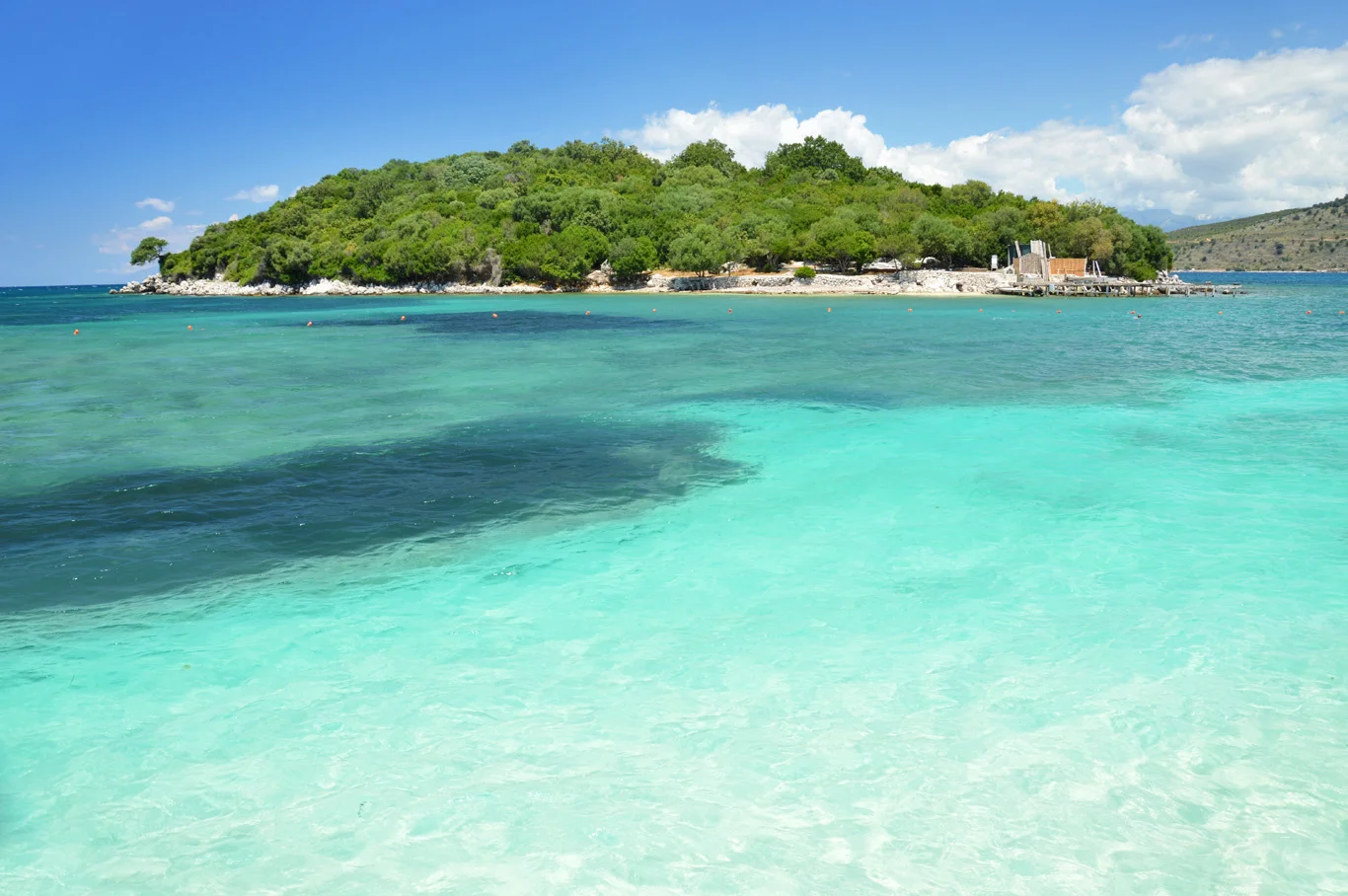
Ksmail Islands
🏛️ 2. History: From Illyrians to the Republic
🪧 2.1 Ancient and Roman Times
-
The earliest known inhabitants were the Illyrians (2nd millennium BC).
-
Greek colonists founded coastal cities like Apollonia and Epidamnos (Durrës).
-
The region became part of the Roman Empire, later the Byzantine Empire.
🖼️ Images: Apollonia ruins, amphitheater of Durrës
⚔️ 2.2 Medieval Albania and Skanderbeg
-
In the 12th–14th centuries, principalities like Arbëria emerged.
-
The national hero Gjergj Kastrioti Skanderbeg (1405–1468) led a 25-year resistance against the Ottoman Empire.
-
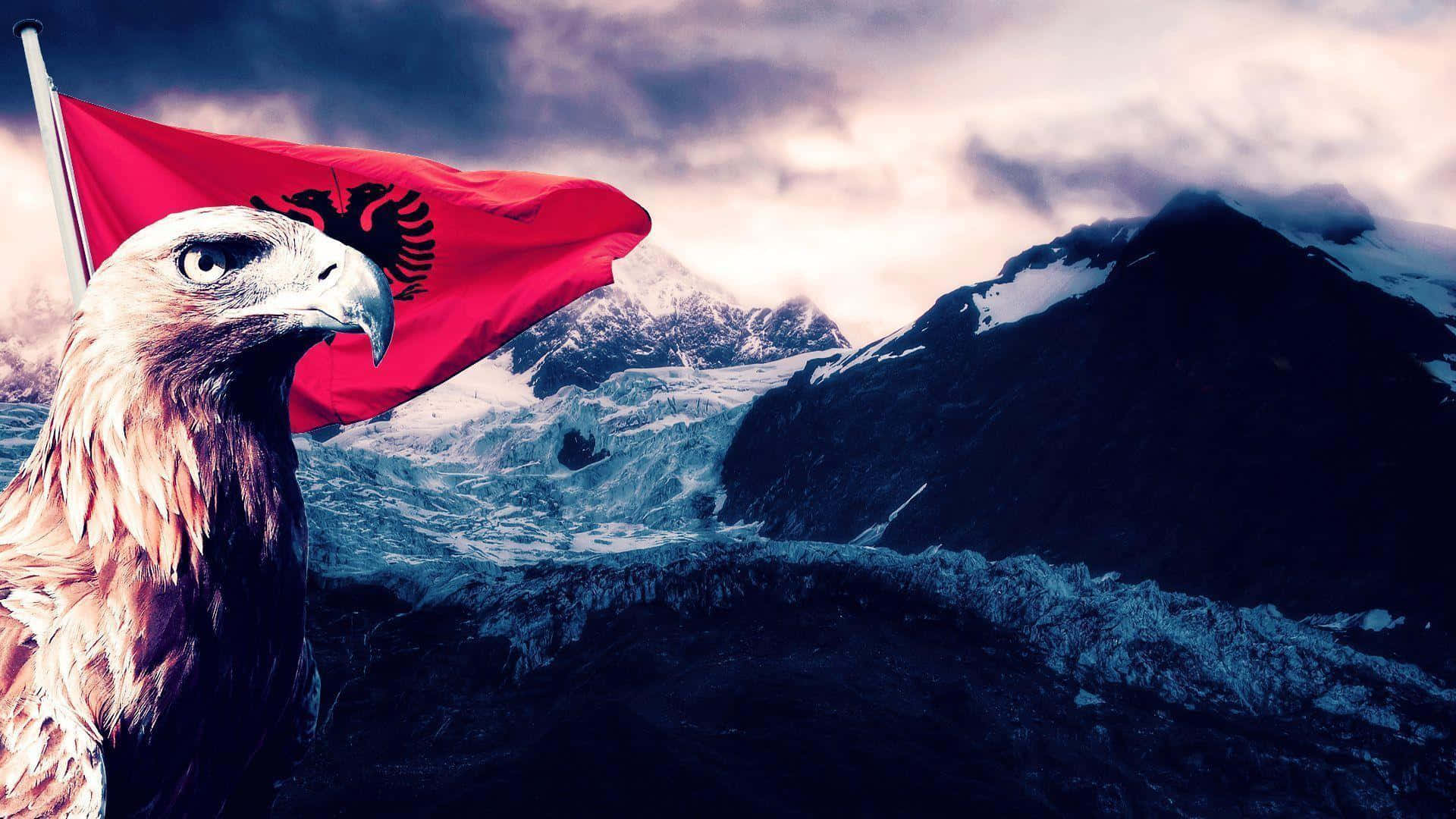
His symbol (double-headed eagle) is today’s national emblem.
🖼️ Images: Skanderbeg Monument (Tirana or Krujë)
🕌 2.3 Ottoman Era (1478–1912)
-
Albania was incorporated into the Ottoman Empire for over four centuries.
-
Conversion to Islam began in the 17th century, but Christian communities (Orthodox & Catholic) persisted.
-
Albanian intellectuals promoted national identity during the Rilindja Kombëtare (National Renaissance).
-
The Albanian alphabet was standardized in 1908 (Congress of Manastir).
🖼️ Images: Ottoman mosques, Rilindja intellectual portraits, Manastir Congress photo
🇦🇱 2.4 Independence and Interwar Period
-
Albania declared independence on 28 November 1912 in Vlora.
-
Faced with territorial loss during the Balkan Wars and WWI.
-
King Zog I declared himself monarch in 1928.
🖼️ Images: Independence Monument in Vlora, King Zog portrait
🚩 2.5 Communist Dictatorship (1944–1991)
-
After WWII, Enver Hoxha established one of the most isolated communist regimes in the world.
-
Religion was banned (Albania declared the first atheist state in the world in 1967).
-
Private property abolished, and tens of thousands of bunkers were built nationwide.
🖼️ Images: Concrete bunker, Hoxha’s pyramid in Tirana, closed churches/mosques
🕊️ 2.6 Democratic Transition (1991–Present)
-
In 1991, communist rule collapsed after mass protests and economic crises.
-
Multi-party elections were held, followed by years of instability.
-
Albania joined NATO in 2009 and is an EU candidate country since 2014.
-
Major democratic reforms are ongoing, alongside economic and tourism growth.
🖼️ Images: 1991 protests, EU & Albanian flag, Tirana skyline today
🗣️ 3. Language and Identity
🅰️ Albanian Language (Gjuha Shqipe)
-
Unique language with no close relatives in the Indo-European family.
-
Two main dialects:
-
Gheg (north)
-
Tosk (south, basis of the standard language)
-
-
The language survived Ottoman occupation thanks to oral traditions, literature, and patriot educators.
📖 Alphabet and Literacy
-
Modern Albanian uses a Latin-based alphabet (36 letters).
-
Standardized in 1908; prior scripts included Greek, Arabic, Cyrillic, and Latin variants.
-
Strong pride in native language as the core of Albanian identity.
💬 Multilingualism
-
Many Albanians, especially youth, speak foreign languages:
-
Italian (due to emigration and TV)
-
English (tourism and education)
-
Greek (southern regions)
-
French, German, Turkish (increasingly popular)
-
🖼️ Images: Street sign in Albanian, bilingual school, children in national costume reciting poetry
📅 4. Timeline Recap: Key Moments in Albanian History
| Year | Event |
|---|---|
| 2nd millennium BC | Illyrians settle the region |
| 229 BC | Roman conquest |
| 395 AD | Part of Byzantine Empire |
| 1443–1468 | Skanderbeg’s anti-Ottoman resistance |
| 1478 | Fall to the Ottoman Empire |
| 1908 | Albanian alphabet standardized |
| 1912 | Independence declared in Vlora |
| 1944 | Enver Hoxha establishes communist regime |
| 1967 | Religion banned |
| 1991 | Fall of communism |
| 2009 | NATO membership |
| 2014 | EU candidate status |
✨ 5. Why Visit Albania Today?
-
Uncrowded UNESCO towns (Berat, Gjirokastër, Butrint)
-
Rugged Alps and crystal beaches within hours of each other
-
Warm hospitality and ancient traditions
-
Delicious cuisine and affordable travel
-
A nation rediscovering itself with soul, scars, and strength
🖼️ Images: Traditional Albanian lunch, UNESCO stone houses, hikers in Alps