Where mosques, churches, and tekes stand side by side in peace
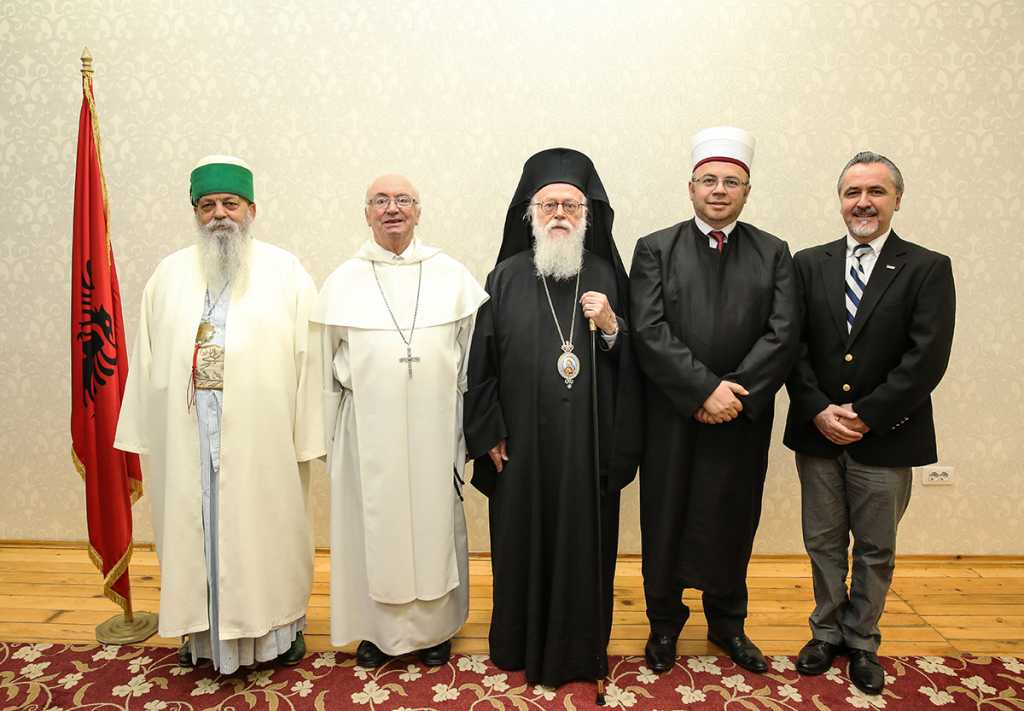
In a world often divided by faith, Albania stands as a remarkable exception—a small Balkan nation where Muslims, Christians, and Bektashis have coexisted for centuries with mutual respect. Religious tolerance in Albania is not merely a political slogan; it is woven into the fabric of society, rooted in history, and expressed daily in shared holidays, interfaith friendships, and open doors.
⛪ 1. Albania: A Multifaith Society
Albania has no official religion, and the 1998 Constitution guarantees freedom of belief. The population is a blend of:
| Religion | Estimated Percentage (2011 census)* |
|---|---|
| Sunni Islam | ~56% |
| Christianity | ~17% (Catholic & Orthodox) |
| Bektashi Order | ~2% |
| Atheist/Other | ~25% |
Note: Due to privacy and post-communist skepticism, many Albanians avoid disclosing religion in official surveys.
📸 Suggested images:
-
Bektashi tekke and Orthodox church in the same neighborhood
-
People lighting candles in a church and mosque courtyard
📜 2. Historical Foundations of Coexistence
🏛️ Ottoman Period (15th–20th Century)
-
Islam spread under Ottoman rule, but religious conversion was gradual and often voluntary.
-
Christian communities retained autonomy under the millet system.
-
Interfaith villages emerged, where Muslims, Catholics, and Orthodox shared common traditions.
🟢 Rise of the Bektashi Order
-
Bektashism, a mystical branch of Islam, played a bridge-building role between communities.
-
The Bektashi Headquarters moved to Albania in 1930 (after exile from Turkey).
🇦🇱 Albanian Nationalism Over Religion
-
During the 19th-century Rilindja (National Awakening), language and culture became unifying forces over faith.
-
Pashko Vasa’s famous line: “Feja e shqiptarit është shqiptaria” (The religion of the Albanian is Albanianism) became a national ethos.
📸 Suggested images:
-
Bektashi Sufi gathering
-
Skanderbeg Square with both mosque and cathedral in view
🔒 3. The Communist Ban on Religion (1967–1990)
Albania became the first and only officially atheist state in the world under Enver Hoxha’s regime:
-
All churches, mosques, and tekkes were closed or destroyed.
-
Religious figures were imprisoned or executed.
-
Religious holidays were abolished, and symbols were banned.
-
Faith survived in secret—within homes, whispered prayers, and hidden rituals.
📸 Suggested images:
-
Abandoned church or mosque from the communist era
-
Reopened religious sites after 1990
✨ 4. Revival After 1991: A New Era of Spiritual Freedom
Following the fall of communism:
-
Mosques and churches reopened, many rebuilt with community support.
-
The Bektashi World Headquarters in Tirana resumed public ceremonies.
-
Interfaith initiatives began promoting dialogue and community work.
-
Major religious festivals (Bajram, Easter, Christmas, Nevruz) are now celebrated openly by all, regardless of affiliation.
📸 Suggested images:
-
Bajram morning prayer in Skanderbeg Square
-
Orthodox Easter processions
-
Nevruz celebrations at the Bektashi World Center
🕊️ 5. Albania as a Global Example of Tolerance
🌍 Recognitions & Highlights:
-
Pope Francis (2014) praised Albania as a model of peaceful religious coexistence.
-
Barack Obama (2015): “Albania is a shining example of interfaith harmony.”
-
The UN & EU regularly cite Albania’s religious peace in diplomacy reports.
👫 Everyday Harmony
-
Mixed-faith marriages are common.
-
Religious leaders collaborate in times of crisis.
-
Holidays are often shared socially, regardless of belief.
📸 Suggested images:
-
Imams and priests planting trees together
-
Schoolchildren drawing religious symbols side by side
🛕 6. Sites of Faith to Visit in Albania
| Site | Religion | Location |
|---|---|---|
| Et'hem Bey Mosque | Islam | Tirana |
| Resurrection of Christ Orthodox Cathedral | Orthodox Christianity | Tirana |
| Bektashi World Headquarters | Bektashi Sufism | Mt. Dajti, Tirana |
| St. Anthony’s Church in Laç | Catholic | Laç |
| Ardenica Monastery | Orthodox | Fier |
| Lead Mosque & Orthodox Church | Multi-faith | Shkodra |
📸 Suggested images:
-
Panorama showing multiple religious sites
-
Interior shots with visitors (respectful, non-intrusive)
🧭 7. Religion and Identity Today
While many Albanians may identify as non-practicing, faith still plays a vital role in identity, morality, and cultural rituals:
-
Hospitality and respect are shaped by spiritual ethics.
-
Even secular families celebrate Ramadan and Easter.
-
Religious tolerance is passed down generationally, not just institutionally.